
Nigeria Maritime University (NMU) has joined the Regional Maritime University (RMU), Ghana; Dar es Salaam Maritime Institute (DMI), Tanzania; and the University of Ghana (UG) in a collaborative research initiative supported by a grant from the Lloyd’s Register Foundation. The project, titled Repository Centre of Excellence on Shipwrecks and Maritime Disasters: Advancing Safety, Sustainability, and Heritage (ReCESMaD), seeks to improve the preservation, accessibility and use of historical maritime records across West and East Africa.
The initiative will establish a repository of shipwreck and maritime disaster records spanning 1760 to the present. It will bring together fragmented historical information and make it more accessible for research, maritime safety learning, environmental risk management and evidence-based policymaking.
Shipwrecks and maritime disasters are important sources of historical, scientific and environmental information. Records of these incidents can provide insights into maritime safety practices, navigational risks, environmental consequences and the development of coastal communities. However, relevant records across Africa are often dispersed among museums, archives, regulatory institutions and academic repositories. This fragmentation can limit researchers’ ability to discover, compare and use the information effectively.
Strengthening Access to Africa’s Maritime Heritage
ReCESMaD seeks to address this challenge by consolidating these records into structured, accessible and interoperable digital platforms. The planned infrastructure will include an open-access repository and a Geographic Information System (GIS), supporting the organisation, discovery and geographical analysis of maritime incident records. By improving access to this information, the project aims to strengthen collaborative research, promote maritime safety awareness, support environmental sustainability and contribute to the preservation of Africa’s maritime heritage.
NMU’s Contribution to Regional Research Collaboration
Nigeria Maritime University’s participation reflects the importance of cross-institutional collaboration in addressing complex maritime research challenges. Working with partner institutions in Ghana and Tanzania creates opportunities to bring together expertise, historical records and research perspectives from different parts of Africa.
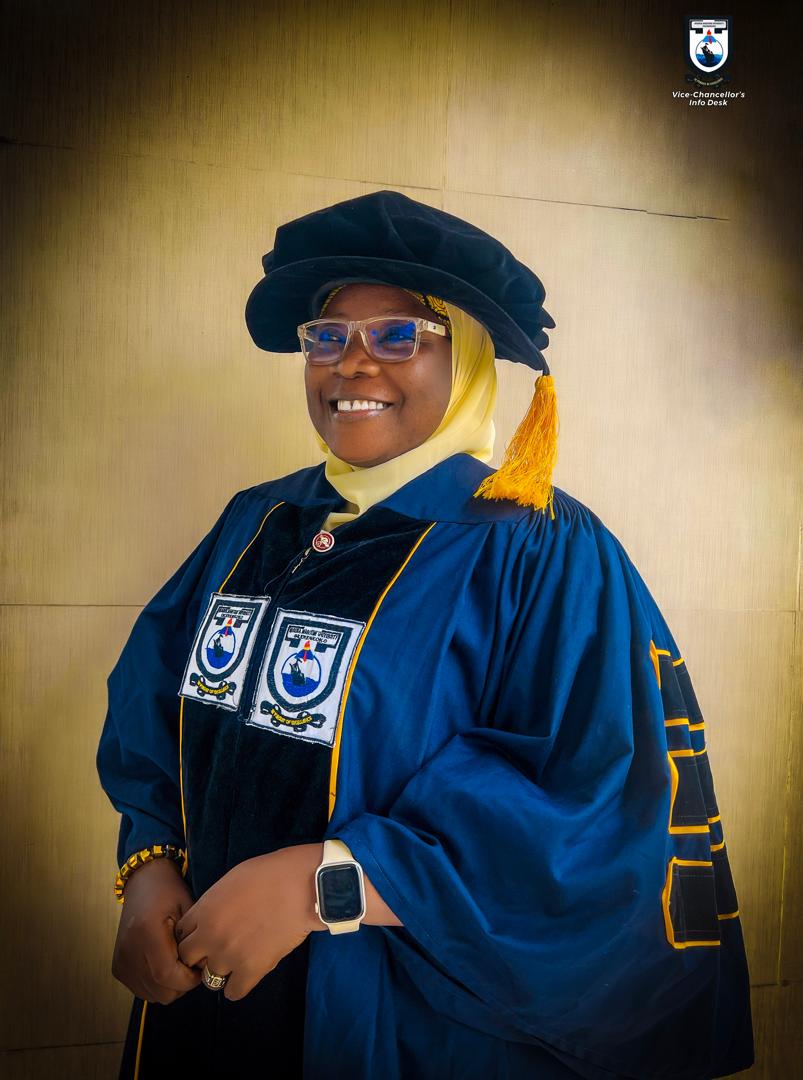
The project team includes Dr Amy Pascalia Abra Asimah of RMU as Principal Investigator; Dr Isaac Owusu-Nyarko of RMU as Co-Principal Investigator; Mr Aloyce S. Mpazi of DMI; Professor Wazi Apoh of the University of Ghana; and Dr Fatimah J. Abduldayan, University Librarian, Nigeria Maritime University. The involvement of the NMU University Librarian highlights the relevance of library expertise, information organisation, digital preservation and knowledge access to collaborative research infrastructure. Libraries and repositories can play an important role in making research resources discoverable, accessible and useful to scholars, policymakers and other stakeholders.
Advancing Open Access and Knowledge Sharing
A central feature of ReCESMaD is its commitment to improving access to maritime heritage information through digital infrastructure. An accessible and interoperable repository can help researchers identify relevant records, connect information from different sources and develop new questions for investigation. The planned GIS-enabled platform will further support the geographical exploration of maritime incidents, helping researchers examine their locations and relationships with maritime routes, coastal environments and other relevant factors.These resources could support research and learning in maritime history, marine and environmental studies, navigation, maritime safety, disaster management and related disciplines.
Looking Ahead
The ReCESMaD project represents an important opportunity to strengthen cooperation among African maritime and academic institutions while improving access to records of shipwrecks and maritime disasters. Its success will depend on effective collaboration, the identification and harmonisation of relevant records, and the development of sustainable digital infrastructure.
Nigeria Maritime University Library celebrates this partnership as an opportunity to advance research collaboration, digital preservation and equitable access to maritime knowledge. Through initiatives such as ReCESMaD, libraries and research institutions can help transform dispersed historical information into an accessible resource for scholarship, public knowledge and evidence-informed decision-making. The NMU Library also looks forward to the contribution of this collaborative initiative to maritime research, heritage preservation and safety learning across Africa.
Read the official report: https://rmu.edu.gh/rmu-in-partnership