
The Nigeria Maritime University Library successfully hosted an engaging and impactful webinar titled “AI as a Tutor vs. AI as a Ghostwriter: Drawing the Red Line” on Wednesday, 13th May, 2026, at 11:00 a.m. via Zoom. The webinar was organized to create awareness on the ethical use of Artificial Intelligence (AI) in academic and research activities, particularly among students, researchers, educators, and information professionals.The webinar featured distinguished academic and administrative leaders. The Vice-Chancellor of Nigeria Maritime University, Prof. Flora Oluwafemi, served as the Chief Host, while the University Librarian, Dr. Fatimah Abduldayan, hosted the event. The Registrar of Nigeria Maritime University, Dr. Paul Bebenimibo, served as Co-Host. The session was facilitated by Prof. Oluwole Morenikeji, an AI Expert and Tutor from the Federal University of Technology (FUT), Minna.In her opening remarks, the Host welcomed participants and highlighted the growing influence of Artificial Intelligence in education, research, and information management. She stressed the need for responsible and ethical use of AI tools in academic environments to ensure originality, creativity, and intellectual integrity.The facilitator delivered a thought-provoking presentation on the difference between using AI as a learning support tool and misusing it as a ghostwriter. He explained that AI can serve as an effective tutor by assisting users in brainstorming ideas, simplifying concepts, improving grammar, organizing thoughts, and enhancing learning experiences. However, concerns arise when individuals rely entirely on AI to produce academic work without personal understanding, critical thinking, or originality.The webinar extensively discussed ethical considerations surrounding AI usage in academics, including plagiarism, academic dishonesty, overdependence on technology, and the importance of maintaining human creativity and scholarly responsibility. Participants were encouraged to use AI as a guide and support system rather than a replacement for independent thinking and research.The session attracted a very large number of participants from different institutions and professional backgrounds.
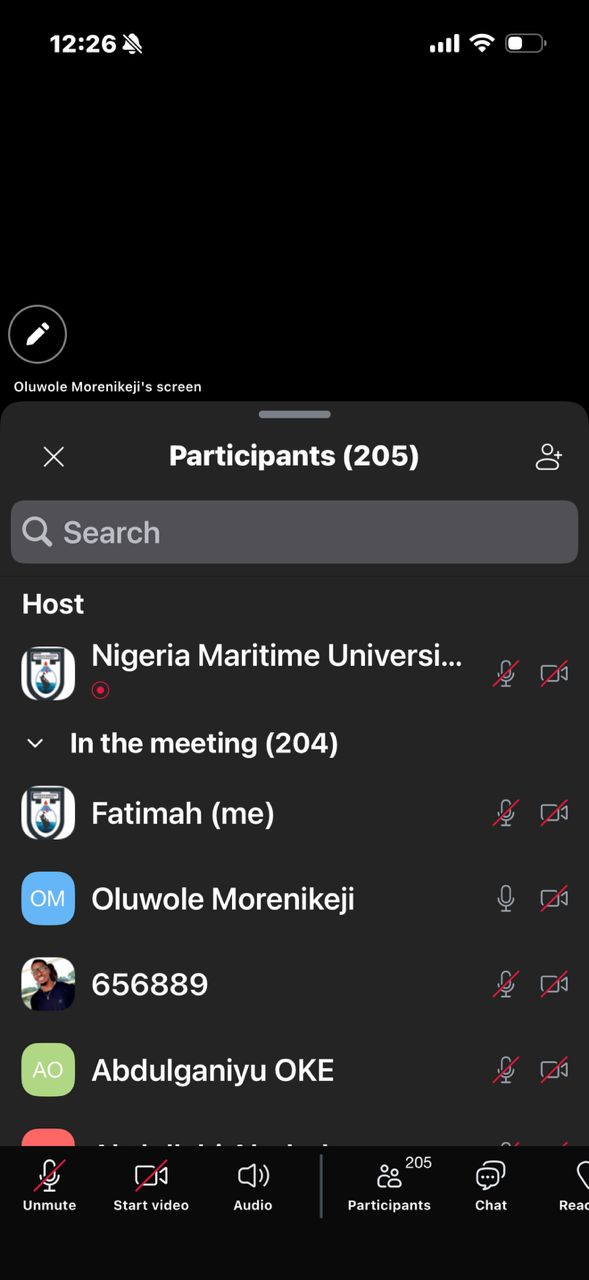
The high level of attendance demonstrated the growing interest in AI-related discussions within the academic and library community. To ensure inclusiveness and enable wider participation, the organizers also projected the webinar live on a screen for individuals who had limited or no internet access, allowing them to follow the session in real time alongside online participants.
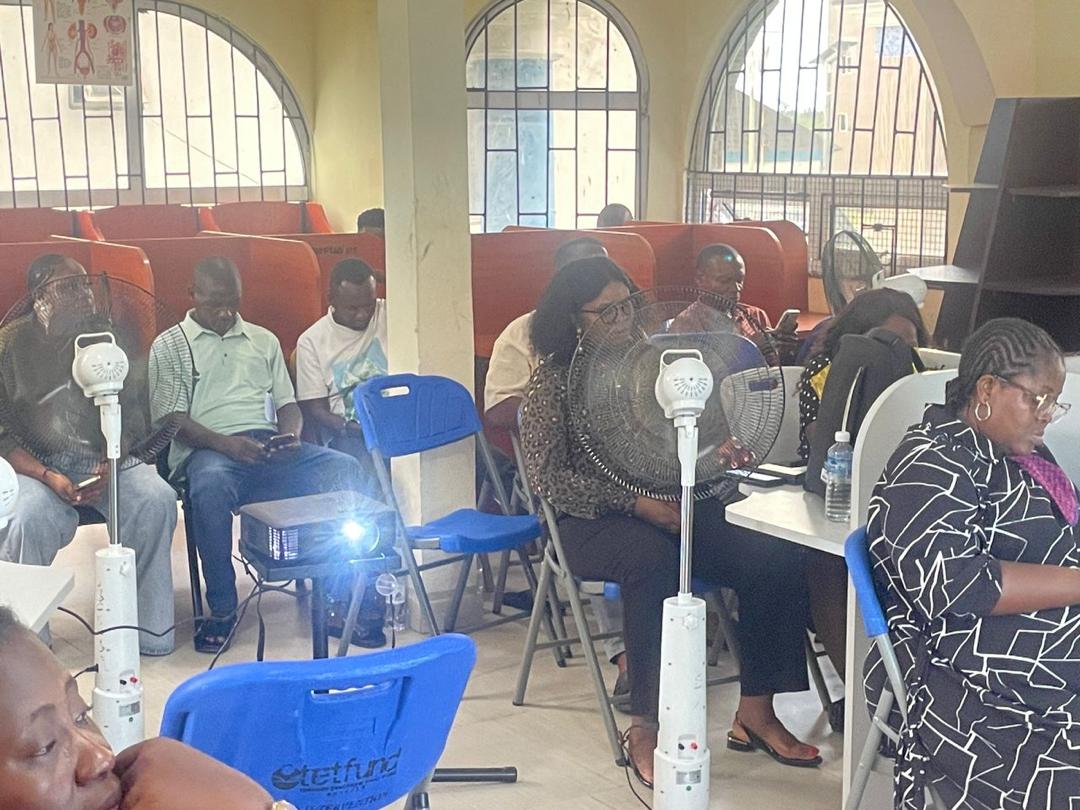
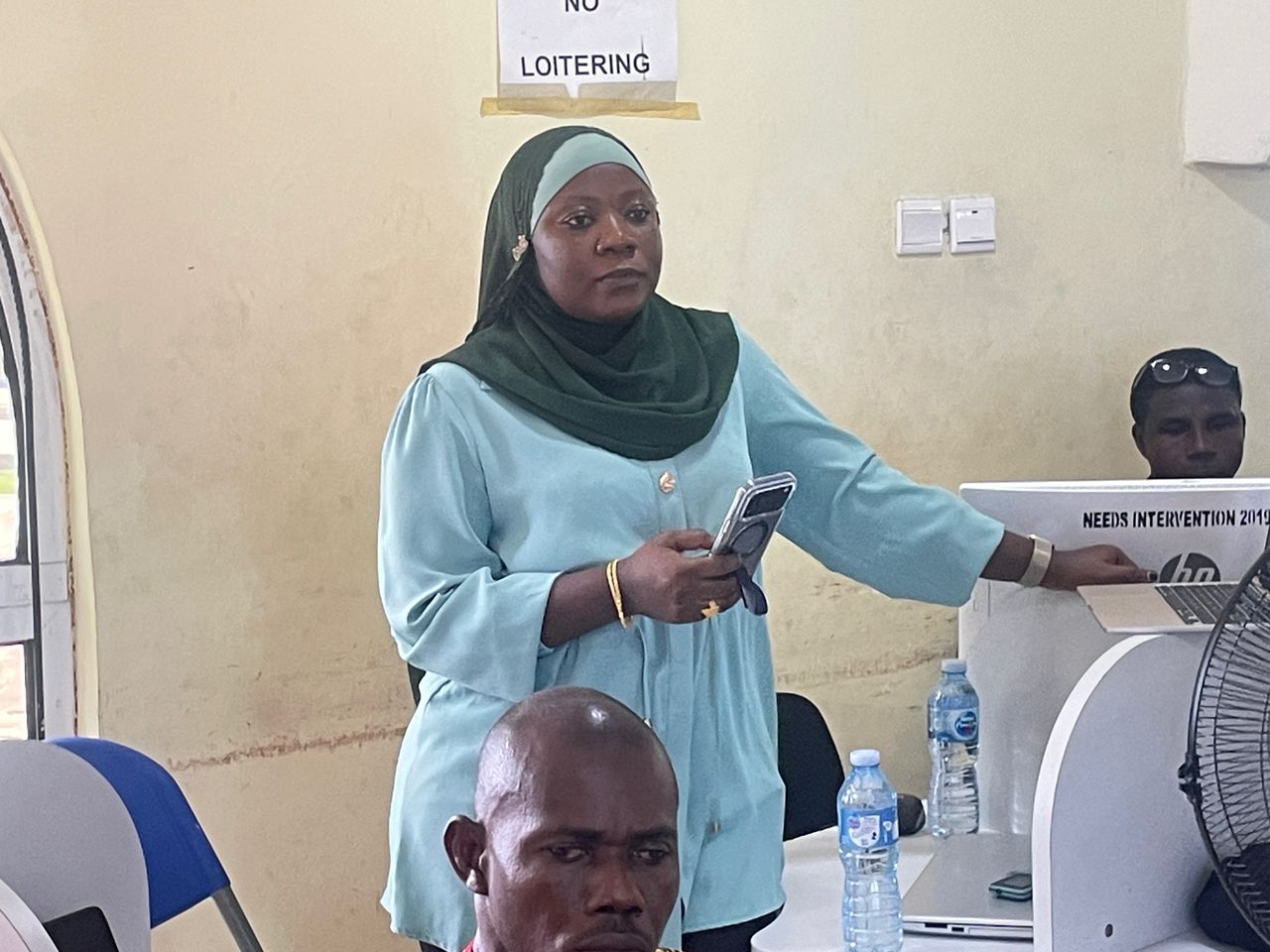
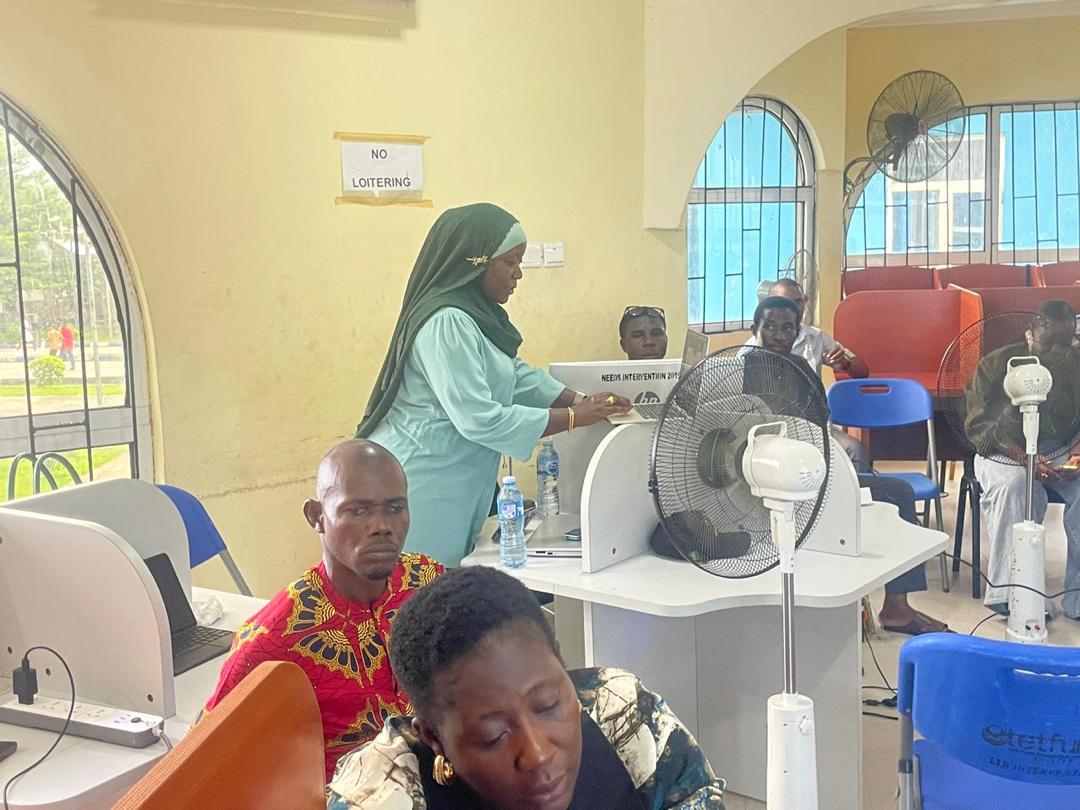
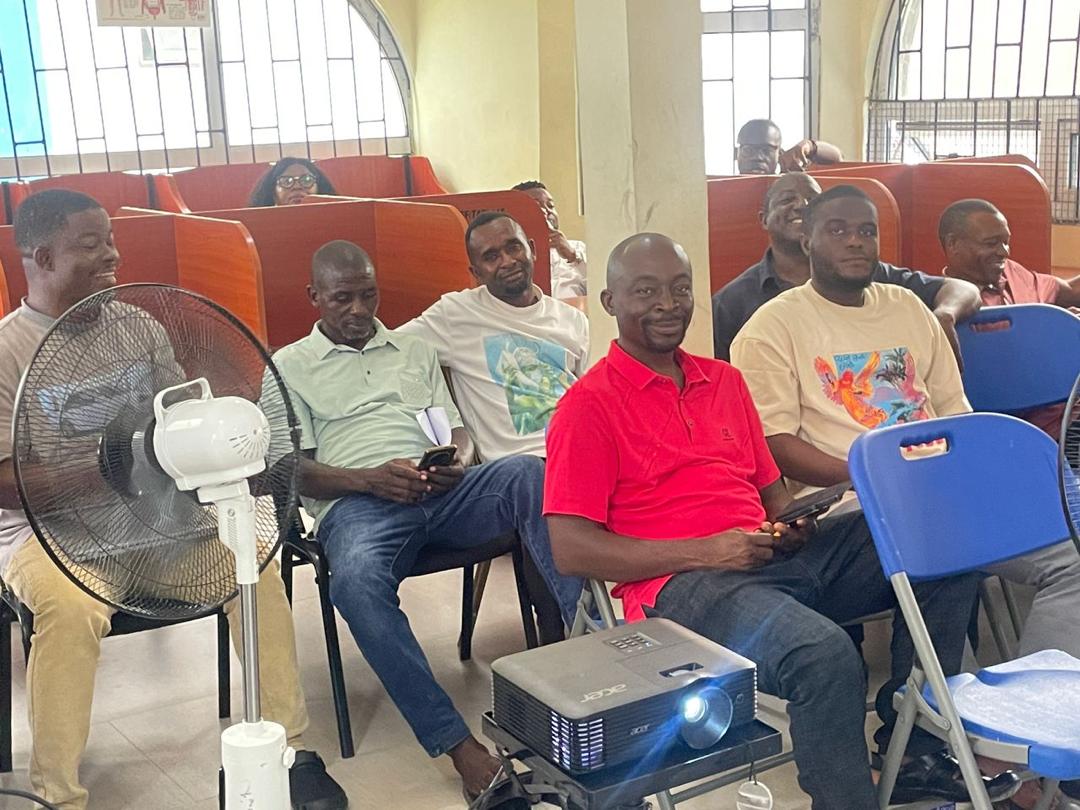
Participants actively engaged throughout the webinar, asking numerous insightful questions concerning plagiarism detection, responsible AI usage, academic writing, research ethics, and the future of AI in education. The interactive nature of the session made the webinar highly lively and impactful.
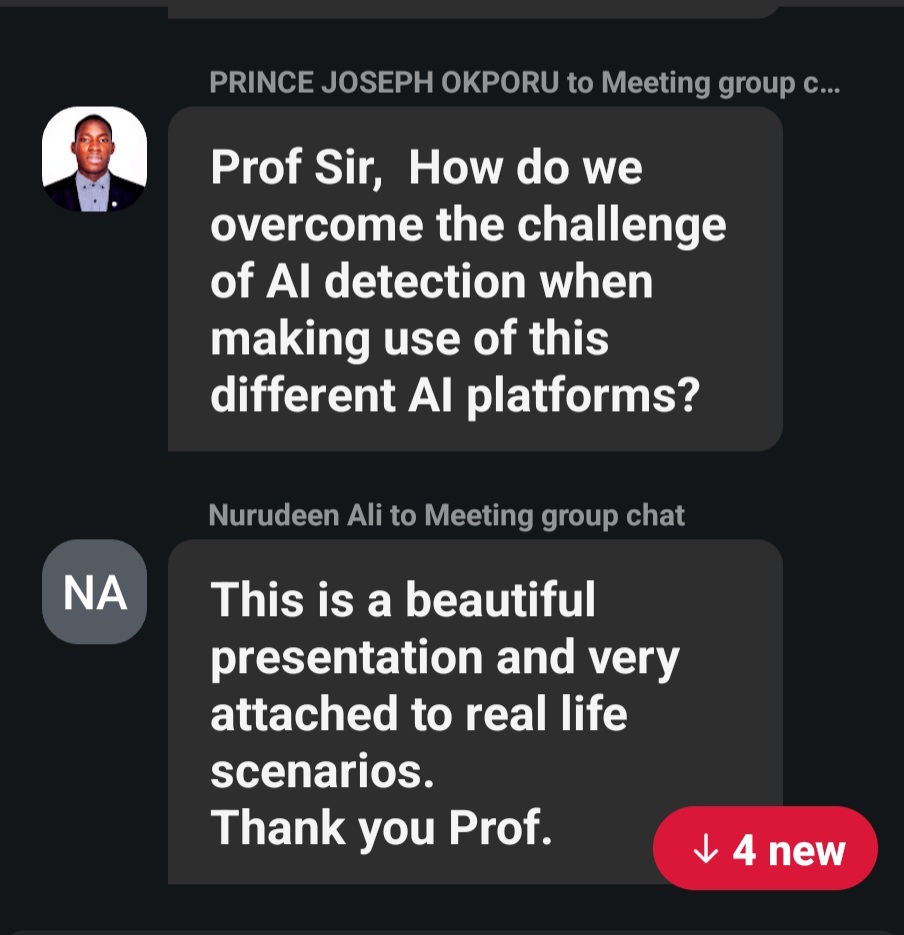
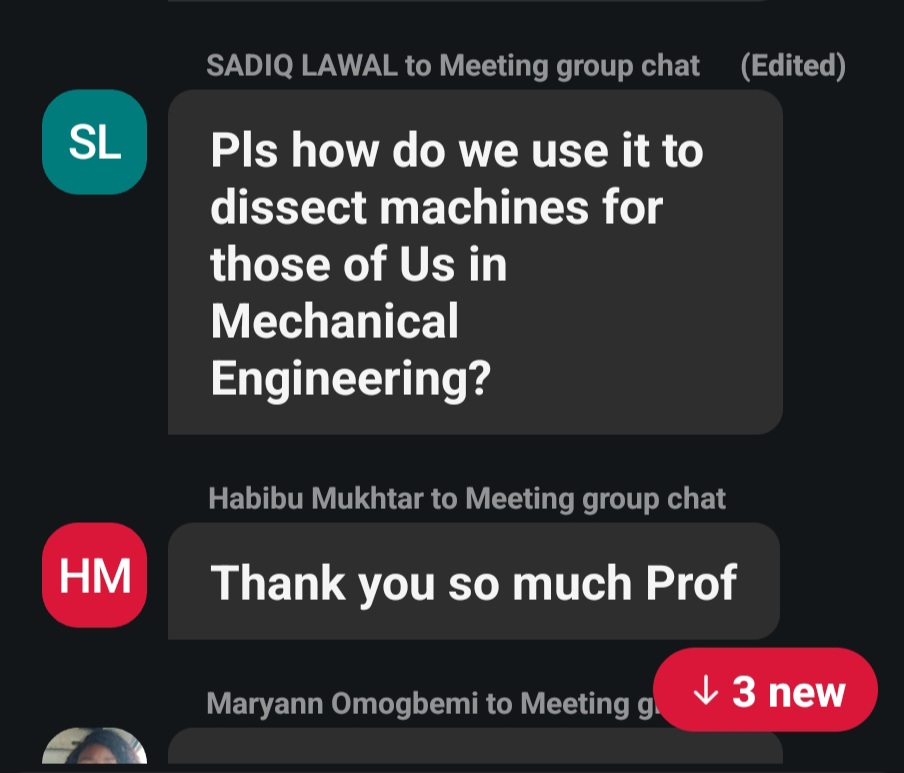
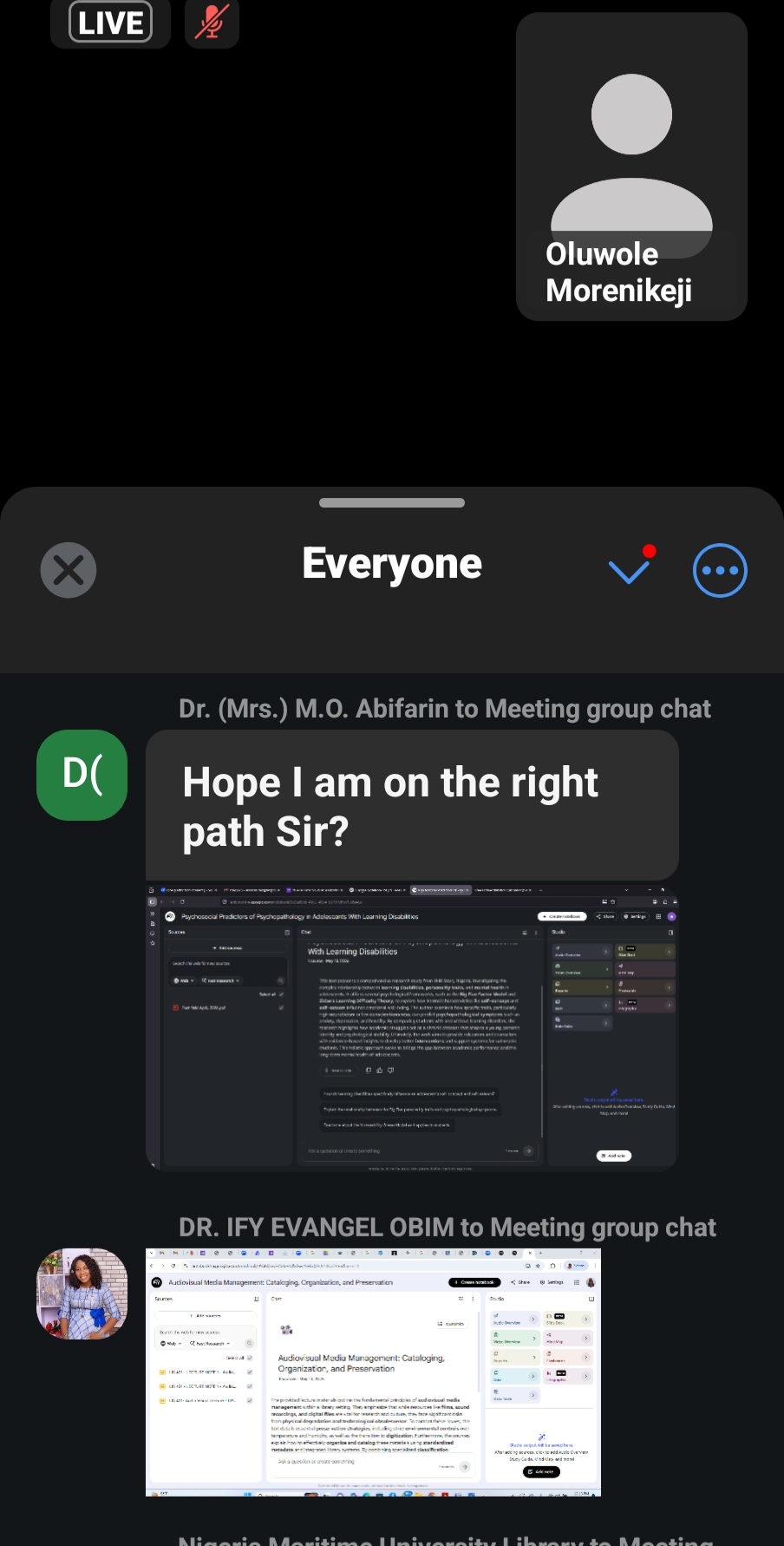
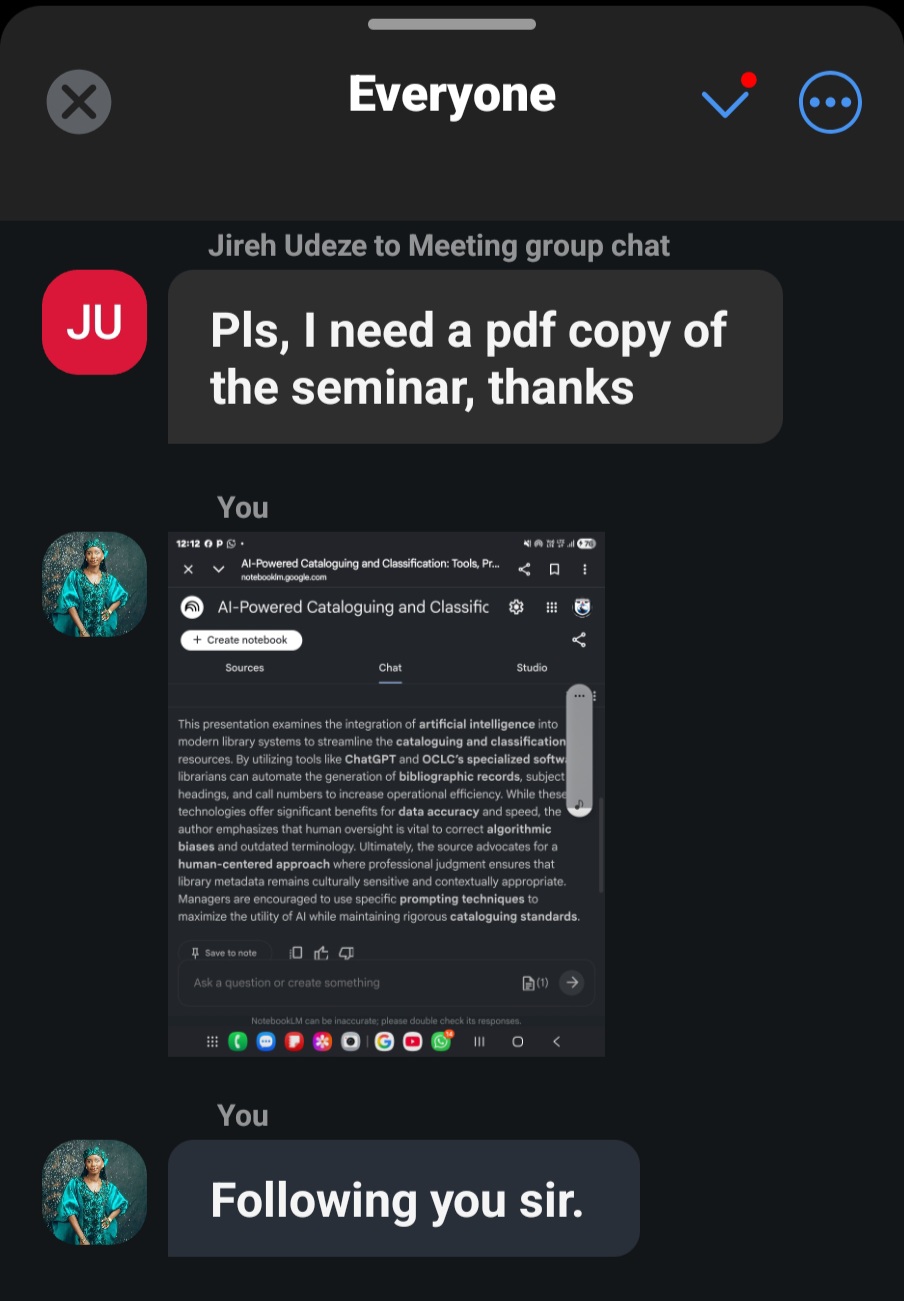
The facilitator responded comprehensively to the questions raised, providing practical examples and recommendations on how individuals and institutions can establish ethical boundaries in the use of AI technologies. Participants were advised to prioritize originality, critical thinking, and proper citation practices while leveraging AI tools responsibly.Many participants expressed appreciation for the clarity and relevance of the presentation, noting that the discussion addressed real concerns currently faced by students, researchers, and educators. The enthusiasm and engagement of attendees were evident as many participants continued asking questions and sharing opinions even after the scheduled time. Several attendees openly stated that they did not want the session to end because of how informative and engaging it was.
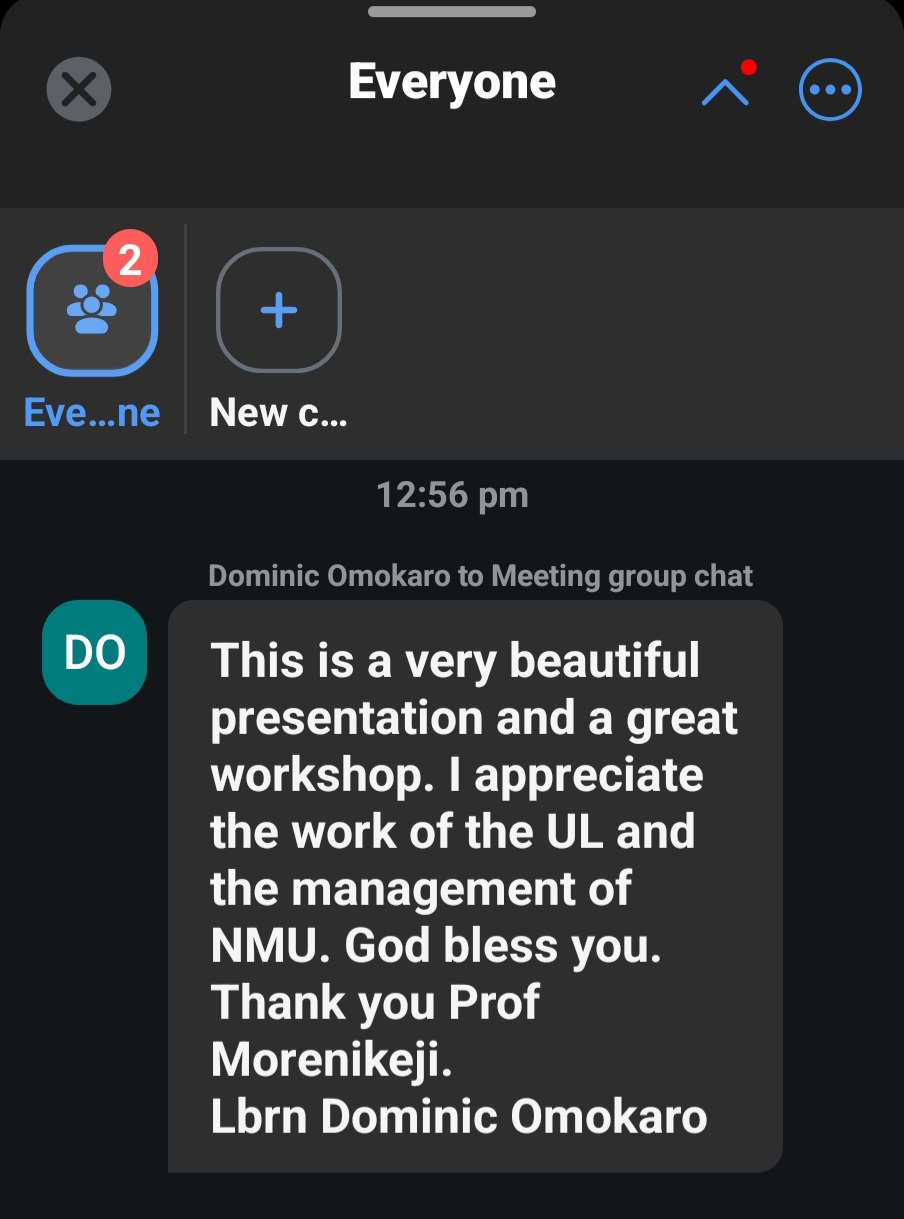
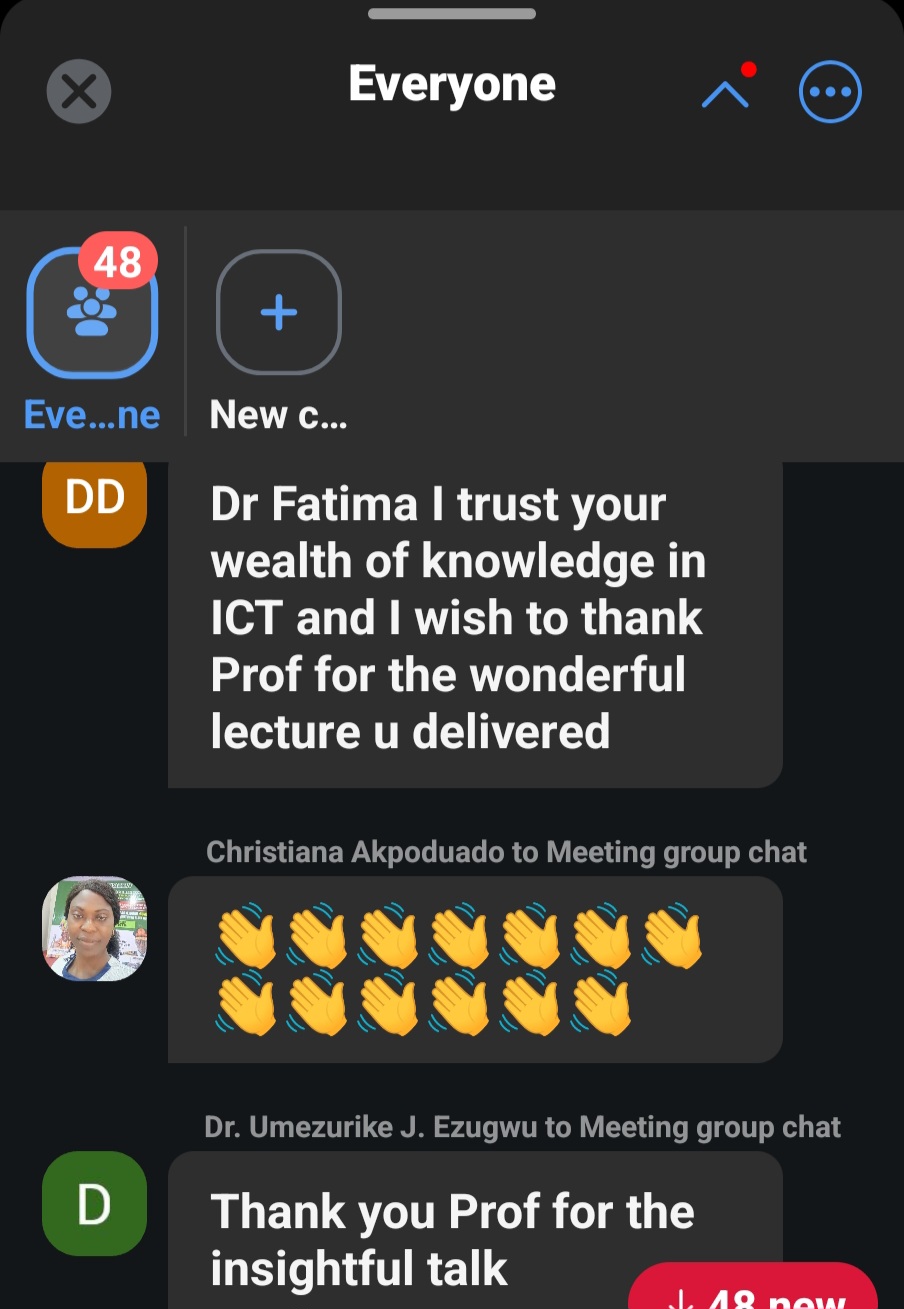
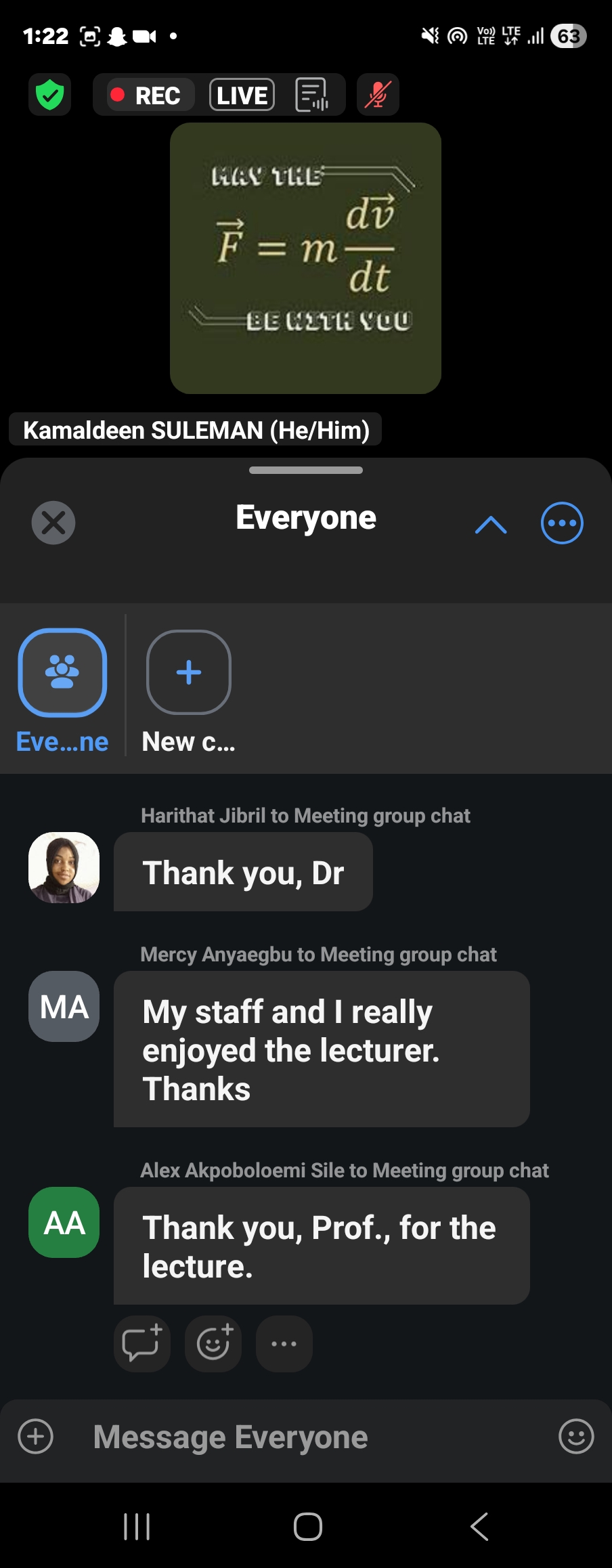
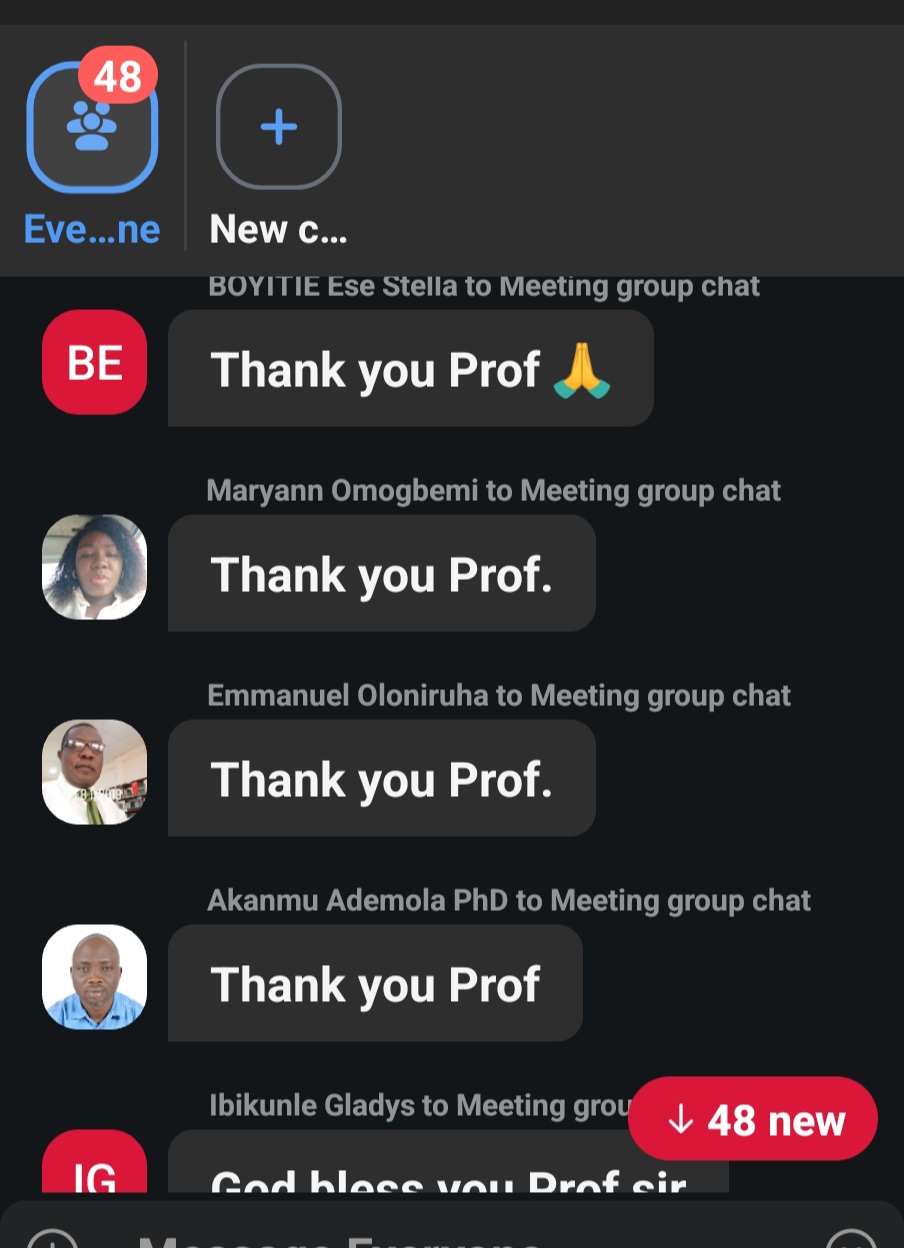
The webinar concluded with closing remarks and appreciation from Dr. Fatimah Jibril Abduldayan to the facilitator, invited guests, and participants for making the event successful.
The Nigeria Maritime University Library reaffirmed its commitment to organizing timely and relevant academic programs that promote digital literacy, ethical scholarship, and emerging technologies in education and library practice. Overall, the webinar was highly successful, educative, interactive, and inspiring. It provided participants with valuable insights into the ethical dimensions of Artificial Intelligence and reinforced the importance of balancing technological innovation with academic integrity.
Beautiful work NMU Library.
Keep it going..👍👍